
From fragmentation to flow.
Dye & Durham had acquired six products, but not a unified ecosystem. Legal professionals were left to connect each transaction through memory and workarounds.
As Director of Product Design, I led the cross-functional team and product strategy to bring those tools into one shared platform, defining the product model, experience architecture, and design direction across the system.

- Role
- Director of Product Design
- Client
- Dye & Durham
- Agency
- Appcentrica Inc.
- Platform
- Web · SaaS
- Industry
- Legal Tech
The ecosystem became a product.

I reframed the assignment from consolidating six interfaces to designing the shared system beneath them.
Product, design, engineering, and business stakeholders were aligned around a shared question: what is the structure of the work, and how should the platform reflect it? The work moved from fragmented product knowledge toward a common model of the transaction.

Conveyancing is the legal machinery of transferring property — searches, contracts, titles, mortgages, filings, funds. Every closing depends on dozens of small, time-sensitive tasks moving through the right hands in the right order.
One transaction. Six disconnected tools.
Conveyancing work was spread across six products, each supporting a different stage of the transaction. Teams knew their own platforms well, but no one held the full end-to-end view.
Through interviews, audits, workflow mapping, and direct observation, we connected those fragmented perspectives into one shared model and exposed the gaps between products.
“I have to juggle five platforms just to close one deal.”— Conveyancer, Vancouver


One shared model of the work.
The research produced a large volume of workflows, terminology, dependencies, and exceptions. The team synthesized that material into a shared domain model that gave the organization a common language for the work.
Rather than forcing the products together at the interface level, the model defined the underlying structure they would share: matters, participants, tasks, documents, milestones, and financial activity.
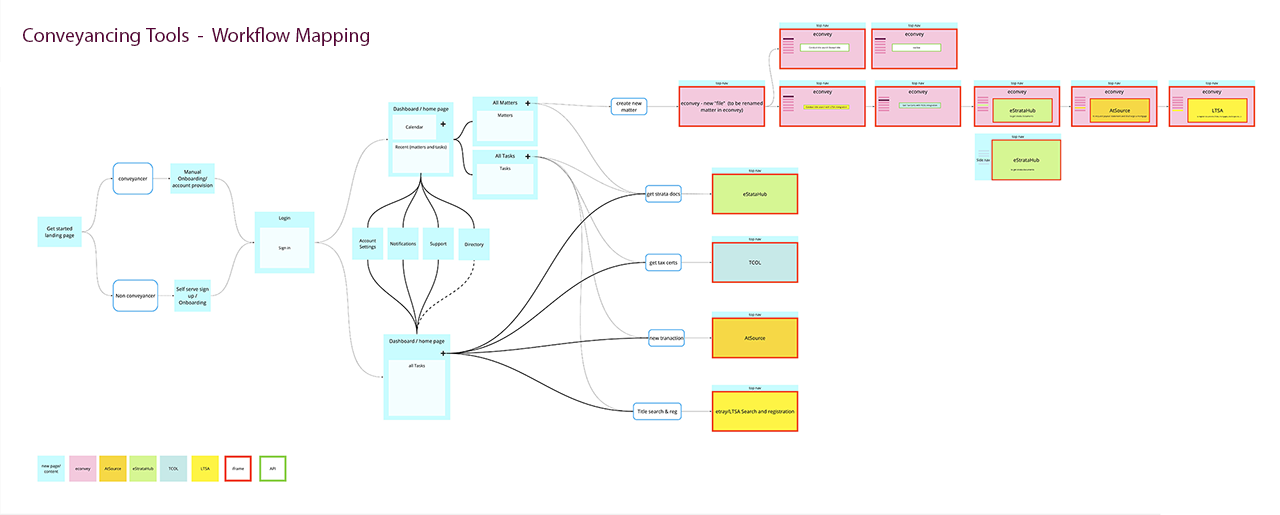
This model became the alignment tool for the program. It made competing assumptions visible, resolved tradeoffs across teams, and gave product, design, engineering, and business stakeholders a common language for making decisions.
The tools worked. The symptoms were in the system.
A single transaction crossed three to five products, each with its own login and layout.
No built-in sense of time — deadlines lived in Outlook, sticky notes, and memory.
Powerful capabilities were buried behind unclear UI.
Nothing tied a document, task, or message back to the transaction it belonged to.
Professionals were operating the tools instead of running their business.
The tools worked.
The system didn’t.
Each product handled part of the work, but none gave users a complete view of the transaction. Information lived across separate tools, forcing conveyancers to remember what had happened, what came next, and where to find it.
The key shift was to organize the platform around the matter itself. Products became capabilities within one shared transaction, rather than separate destinations users had to navigate between.
A shared workspace for the entire transaction.
The strategic model became a coherent product framework: one workspace where users could understand the state of a matter, see what required attention, and access the tools needed to move it forward.
Interface decisions remained grounded in the operating model, so execution stayed connected to the strategy it was built from.
Created from templates and adapted as the work evolved, each Matter gave the entire team one place to coordinate the transaction.
Leading through shared artifacts.
My team established the direction and standards early, giving the broader cross-functional group a shared view of the platform before every workflow was fully resolved.
The annotated wireframes documented the full experience across screens, interactions, and system behaviours. From there, a lightweight design system gave engineering enough structure to begin building while design continued to refine the broader experience.
A comprehensive set of annotated wireframes aligned product and engineering around the platform’s screens, workflows, interactions, and system behaviours.
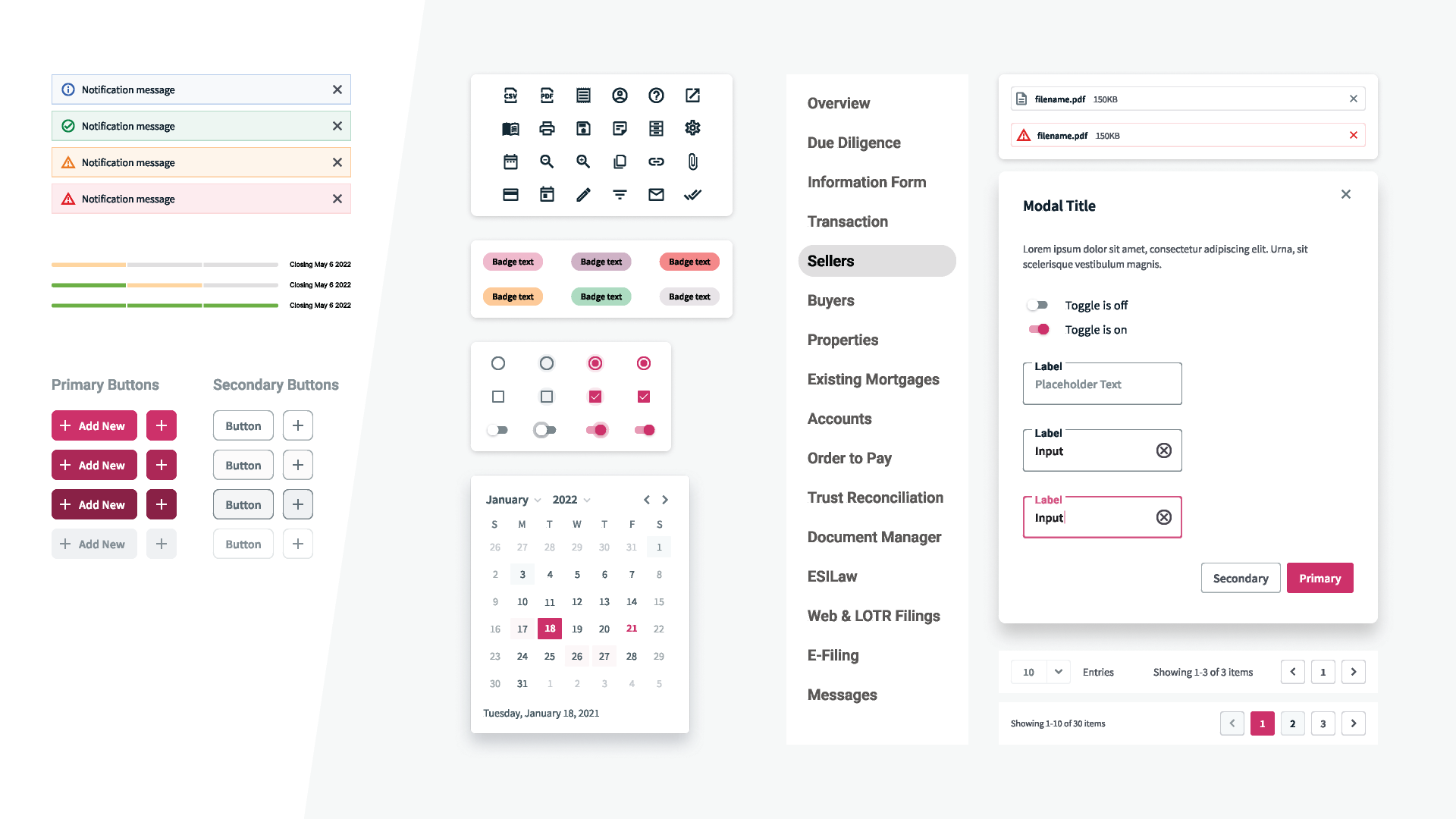
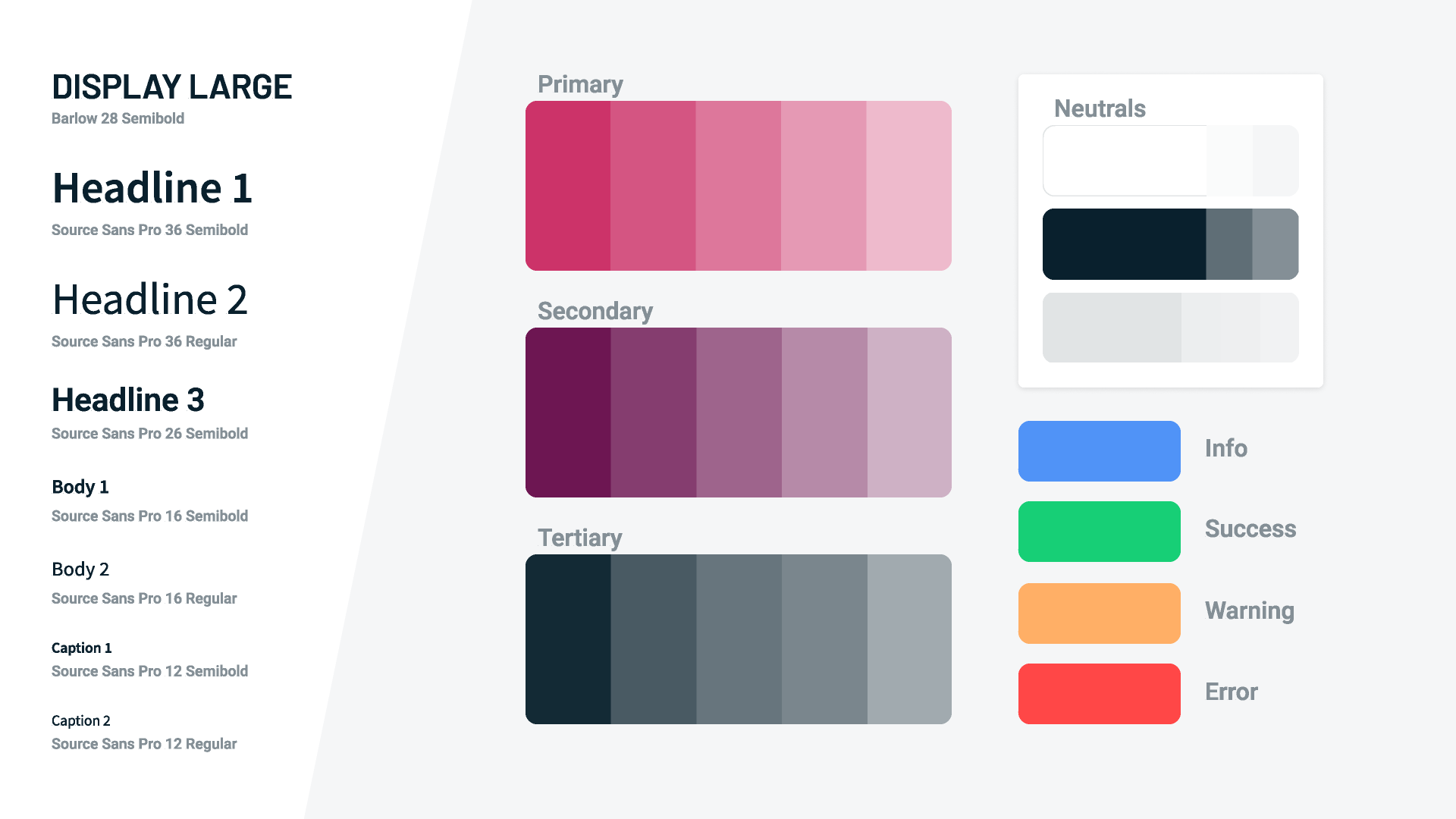
A focused set of reusable components and UI patterns gave engineering what they needed to begin building while the broader experience continued to evolve.
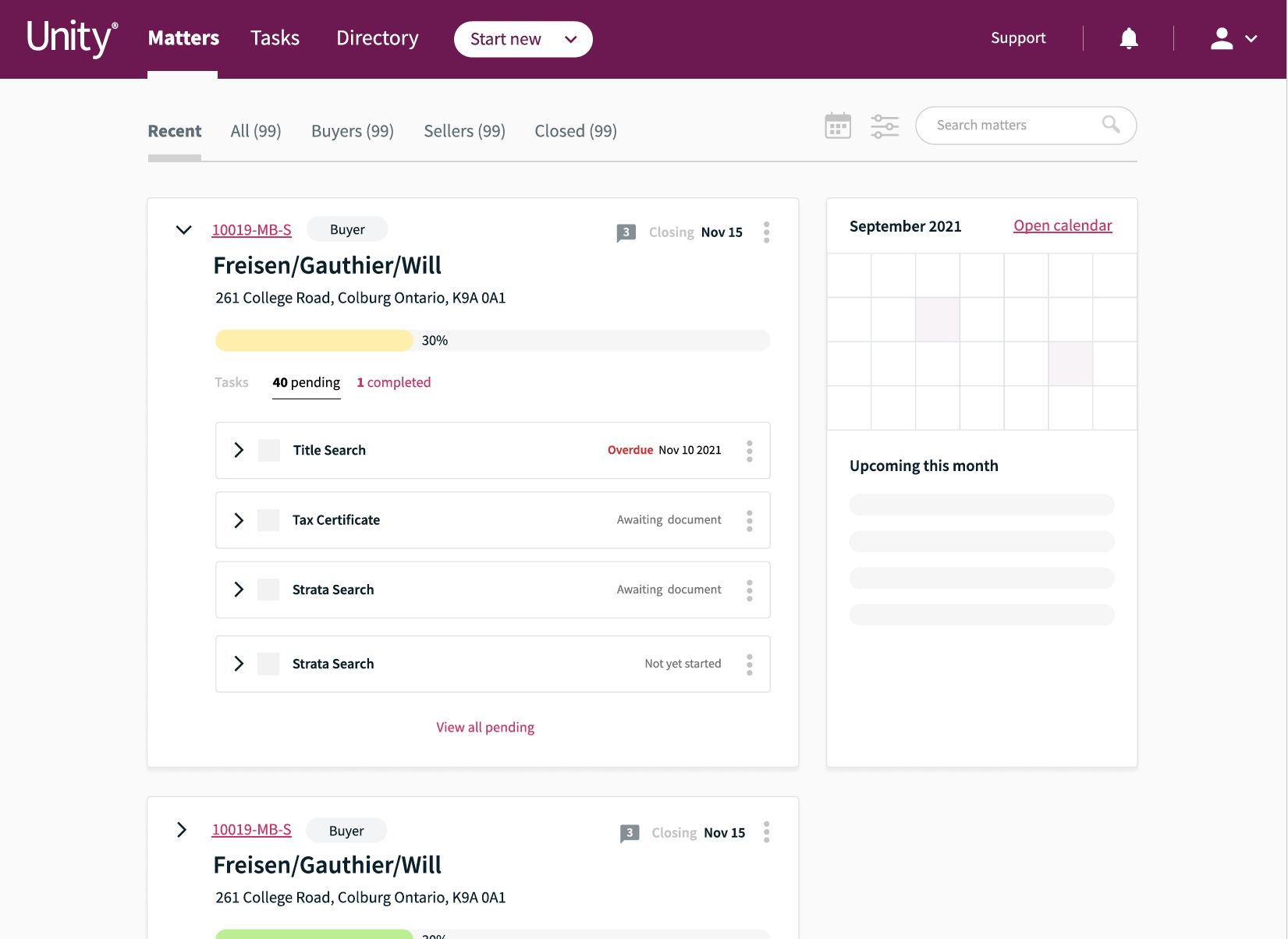
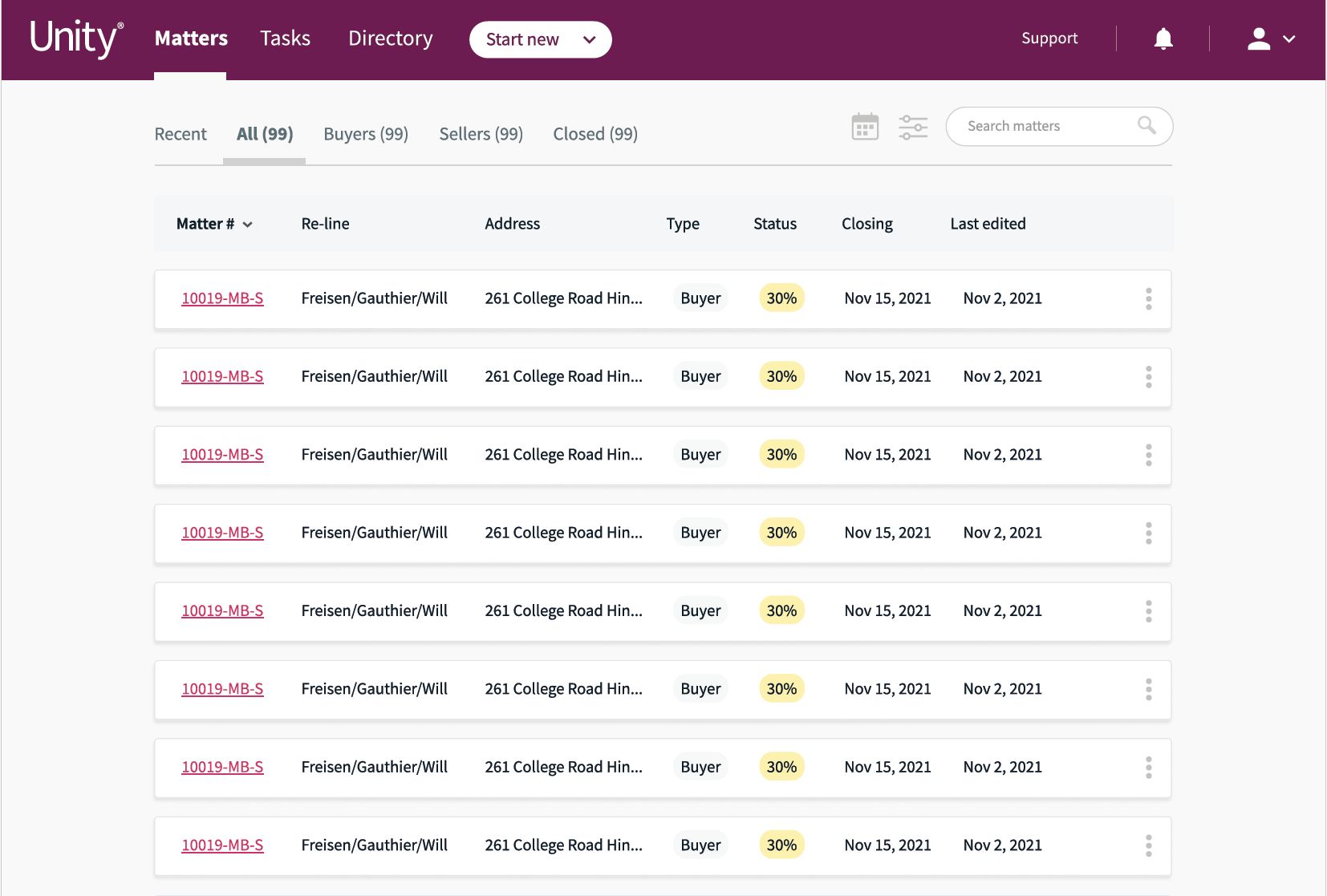
The wireframes, reusable patterns, and workflow decisions came together in a cohesive interface across card and table views.
Unity became the platform Canadian conveyancing runs on.
The result was more than a redesigned interface. Unity gave Dye & Durham a shared platform model for bringing six acquired products into one coherent experience.
The strategy shaped how the company organized the product, packaged its capabilities, and communicated its value to the market. The clarity of the model allowed the organization to move from a portfolio of tools to a platform built around the work itself.
Design the system, not the screens.
The real work was judgment: identifying the right problem to solve, aligning the organization around a shared model, and creating the structure that let others execute with confidence.
Unity is a product, but it is also a way of working — one that turned a fragmented portfolio into a single platform the business could build around.